A homeowner can spend the same budget in two very different ways and get two very different results. One project makes the house easier to live in, more appealing to future buyers, and stronger in the market. The other looks expensive but does little to move the needle. That is the real question behind what adds home value in remodeling, especially for Twin Cities homeowners trying to balance resale, comfort, and long-term use.
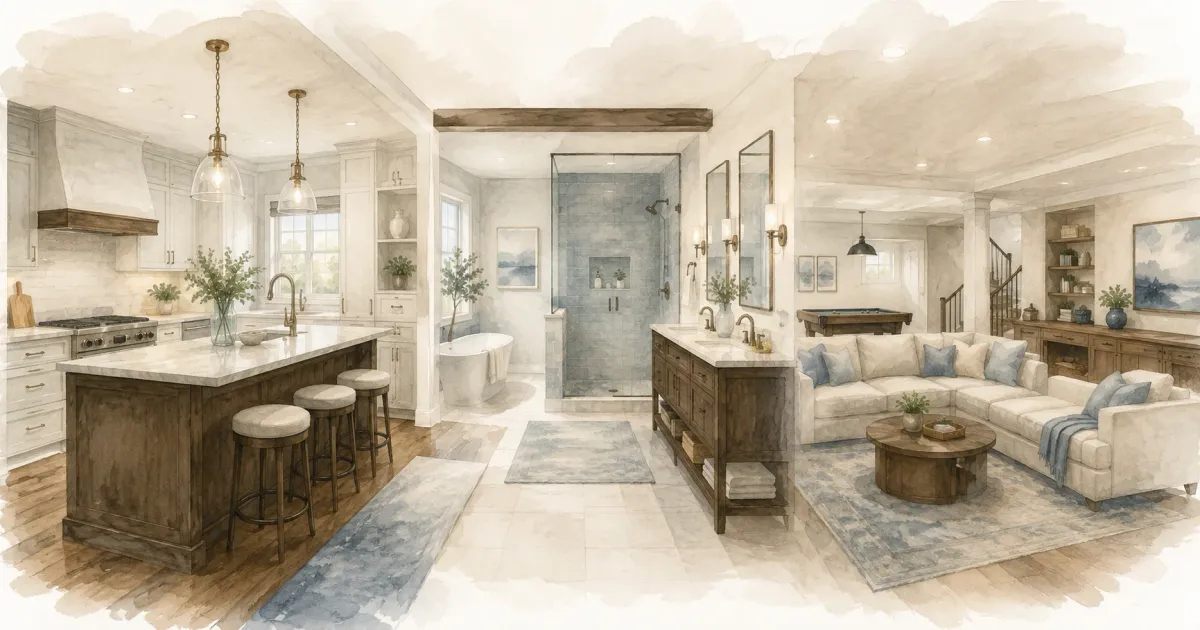
The short answer is this: remodeling adds the most value when it improves how a home functions, brings key spaces up to current expectations, and fits the neighborhood. In most cases, that points to kitchens, bathrooms, finished basements, storage improvements, and updates that make the home feel well cared for rather than overly customized.
- What adds home value the most?
- Where kitchens fit in
- Why bathrooms matter fast
- Basements in Minnesota homes
- Storage and organization
- Curb appeal and maintenance
- Systems to fix before you add style
- What underperforms
- How to decide what's worth it
- FAQ
What adds home value remodeling the most?
The highest-value remodeling projects usually solve everyday problems. Buyers and homeowners both notice poor layouts, worn finishes, limited storage, dated bathrooms, and unfinished lower levels. When those issues are addressed with quality craftsmanship and thoughtful planning, the value is not just visual. It shows up in usability, marketability, and buyer confidence.
The JLC Cost vs. Value report tracks this every year across the country, and the pattern holds: midrange kitchen and bathroom updates, garage door replacement, and basement finishing consistently recover a higher share of their cost than large-scale luxury additions. That does not mean every project delivers the same return. A full luxury renovation in a modest neighborhood may not pay back the way a well-planned midrange update will. On the other hand, doing nothing in a home with aging finishes and inefficient spaces can leave value on the table. The best remodeling decisions sit in the middle ground where design, budget, and local market expectations all line up.
| Project type | Typical value impact | Best for |
|---|---|---|
| Kitchen remodel | High | Nearly every home, especially pre-2010 layouts |
| Bathroom remodel | High | Primary baths and dated guest baths |
| Basement finishing | High in MN | Homes with unused lower-level square footage |
| Storage/closet upgrades | Moderate | Homes with undersized or disorganized storage |
| Curb appeal/maintenance | Moderate | Any home before listing or long-term ownership |
| Highly custom finishes | Low to moderate | Long-term stay only, not resale-driven |
Kitchens tend to carry the most weight
A kitchen remodel consistently influences home value more than any other single room. Buyers pay attention to it immediately, and current homeowners feel its shortcomings every day. A kitchen does not need to be oversized or high-gloss to add value. It needs to work well.
Cabinet layout, storage, lighting, and traffic flow matter as much as surface finishes. Replacing worn cabinets, improving counter space, adding an island where it makes sense, updating backsplashes, and installing durable countertops can all strengthen value. New appliances can help, but they rarely carry a kitchen remodel on their own.
There is also a clear difference between a kitchen that feels fresh and one that feels overdone. For homeowners in Lakeville and similar South Metro communities, a smart kitchen remodel means opening up a cramped layout, improving function for family life, and choosing finishes with broad appeal. Neutral does not have to mean bland. It means future buyers can picture themselves there.
Bathrooms add value because buyers notice condition fast
Bathrooms are another high-impact category because they are small spaces where wear shows quickly. Old tile, poor lighting, weak ventilation, outdated vanities, and cramped showers can make the whole home feel less maintained.
A bathroom remodel adds value when it improves comfort and solves obvious pain points. Following NKBA planning guidelines for clearances and layout keeps a remodel functional rather than just decorative — that may mean replacing a fiberglass insert with a tiled shower, adding better storage, updating fixtures, or improving accessibility for long-term living. In a primary bath, a well-designed shower often carries more practical value than a large tub that rarely gets used.
Guest baths and powder rooms matter too. They do not need luxury finishes, but they should feel clean, current, and cohesive with the rest of the home. Buyers often read outdated bathrooms as future work and future expense. A well-executed update removes that concern.
Finished basements can be a major value driver in Minnesota homes
In the Twin Cities market, basement finishing often makes strong financial sense because it turns existing square footage into livable space. That matters in a region where indoor comfort and year-round usability are important, and where cold winters make a finished lower level genuinely useful rather than just extra square footage on paper.
Minnesota's frost depth and clay-heavy soils also make moisture control the deciding factor in whether a basement remodel holds its value. A finished basement built without proper vapor barriers, drainage, and insulation can develop moisture problems within a few winters, which erases the value it was supposed to add. A basement remodel done to code, with attention to egress requirements and grading, can support a growing family, create a guest area, add a home office, or simply make the house feel larger without changing the footprint.
The key is quality. A basement with poor lighting, cheap finishes, moisture concerns, or awkward layouts does not create the same value. Homeowners in Eagan and across the South Metro want lower levels that feel finished, dry, and intentional. When done right, basement remodeling can deliver both daily enjoyment and a strong boost in perceived value.
Storage and organization matter more than many homeowners expect
Better storage adds value in homes where closets are undersized, mudrooms are cluttered, or laundry areas are inefficient. Not every value-adding project is dramatic, but these fixes can have a meaningful impact.
Closet remodeling, built-ins, better pantry design, and improved laundry room layouts all make a home easier to live in. These updates may not create the same headline appeal as a kitchen renovation, but they improve function in ways buyers appreciate right away.
This is especially true for busy households. A home that feels organized and practical often presents better than one with expensive finishes but constant storage problems. Remodeling that reduces friction in everyday routines has real value, even when it is subtle.
Curb appeal and maintenance-based updates still matter
Curb appeal and maintenance updates matter because a home that looks neglected on the outside can lose appeal before anyone sees the kitchen. When people ask what adds home value in remodeling, they sometimes focus only on interior design, but first impressions carry real weight too.
Entry updates, garage improvements, trim repair, fresh paint, better lighting, and well-integrated exterior details all influence first impressions. They also signal care. Bankrate's research on increasing home value points to garage door and entry door replacement, landscaping, and general upkeep as some of the highest-return improvements a homeowner can make, largely because buyers assume that a house with visible maintenance issues may have hidden ones too.
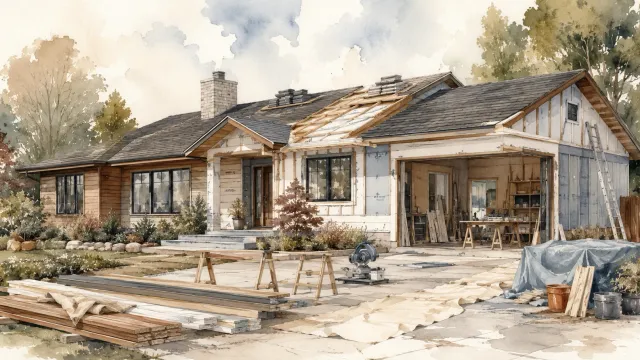
This is one reason practical improvements are so important. Remodeling is not only about new finishes. It is also about replacing worn materials, correcting deferred maintenance, and making sure the home feels solid and dependable through Minnesota's freeze-thaw cycles.
Fix the systems buyers and inspectors flag before you add style
Major systems come before finishes because they are what buyers and inspectors flag first, and unresolved issues there can undo the value of every cosmetic upgrade in the house. A roof nearing the end of its life, water intrusion, outdated electrical components, inefficient windows, plumbing leaks, and aging HVAC equipment all weaken buyer confidence and complicate negotiations, even in a home with a freshly remodeled kitchen.
These projects rarely make for exciting listing photos, but they are often the most important investments a homeowner makes. Buyers are usually willing to personalize cabinets or paint color. They are far less willing to inherit uncertainty about a roof, a furnace, or an electrical panel near the end of its service life.
If you are deciding between a cosmetic update and a repair, let the home's condition settle it. A kitchen refresh may be the right move in an otherwise well-maintained property. If there is evidence of moisture in the basement or a major system near the end of its life, addressing that first protects the value of everything you build on top of it.
What does not always add value the way people expect?
Some projects are worth doing for personal enjoyment, but not because they deliver the strongest resale return. Highly customized spaces fall into this category. Bold design choices, niche built-ins, and luxury features that appeal to a very specific taste can narrow buyer interest.
The same goes for over-improving beyond the surrounding market. If neighboring homes have updated but practical finishes, an ultra-premium remodel may not be fully reflected in resale value. You may still choose it if you plan to stay for years. That is a valid reason to remodel. But it is different from remodeling primarily for market return.
Removing bedrooms, shrinking functional storage, or creating open layouts that hurt usability can also backfire. Not every trend serves every house. Value usually comes from making a home more livable, not just more fashionable.
How to decide which remodeling projects are worth it
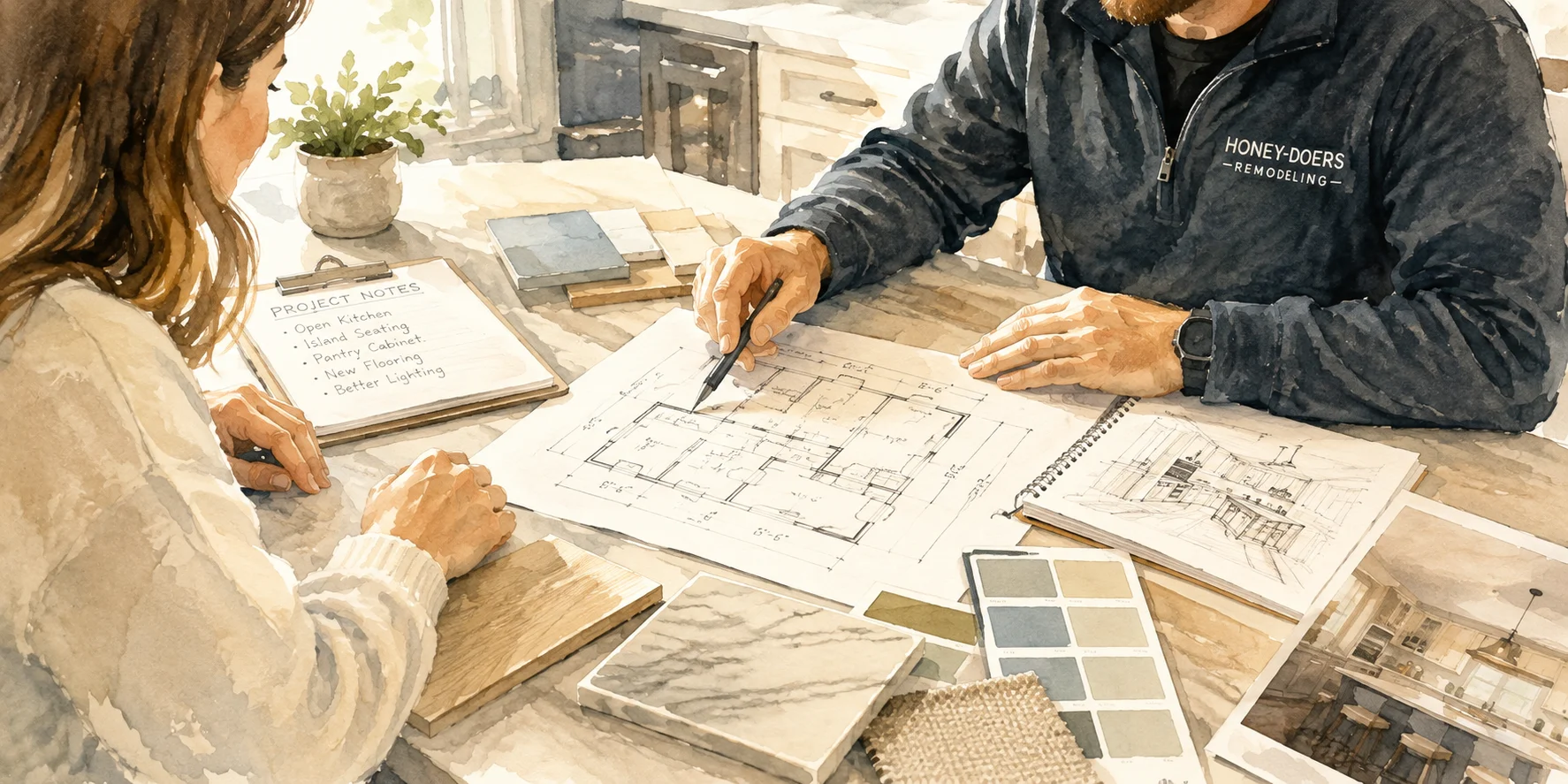
A good starting point is to ask three questions. First, what feels dated or inconvenient in daily life? Second, what would a future buyer notice right away? Third, how long do you plan to stay in the home?
If you expect to move in a few years, broad-appeal upgrades often make the most sense. Focus on kitchens, bathrooms, visible condition, and functional improvements that help the home show well. If this is your long-term home, you can weigh lifestyle benefits more heavily while still making choices that protect value.
It also helps to look at the house as a whole. A beautiful kitchen in a home with tired bathrooms and an unfinished basement may still be worthwhile, but the best return often comes from a more balanced approach. Consistency matters. Buyers respond well to homes that feel updated in a cohesive way.
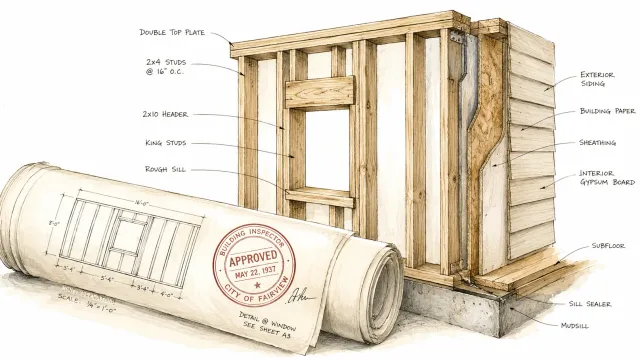
Even the right remodeling project can lose value if it is done poorly. Uneven finishes, bad layouts, inconsistent materials, or sloppy project management create doubt. That is why planning, communication, and execution matter so much. A team you can trust should help you think through trade-offs, set realistic expectations, and avoid choices that look good on paper but do not hold up in real life.
For many homeowners, peace of mind is part of the value equation. Clear timelines, honest guidance, and no hidden costs or surprises can make the process feel manageable instead of stressful. That matters when you are investing in your home and your future.
Frequently Asked Questions
What remodeling projects add the most value to a home?
Kitchen and bathroom remodels typically add the most value because they address rooms buyers scrutinize closely and homeowners use every day. Finished basements are a strong regional exception in Minnesota, where turning unused square footage into livable space carries outsized value. Storage improvements and maintenance-based updates add smaller but reliable value across almost any home.
Does a bigger renovation always mean a bigger return?
No. Highly customized or ultra-premium renovations often return less than midrange updates because they narrow the pool of buyers who see the appeal. A well-planned midrange kitchen or bathroom remodel usually recovers more of its cost than a luxury version of the same room, especially in a neighborhood where most homes are updated but not extravagant.
Is basement finishing worth it in Minnesota?
Yes, when it is done to code with proper moisture control. Minnesota's climate makes finished basements genuinely useful for year-round living, not just resale appeal, but frost depth, clay soils, and humidity mean the work has to include vapor barriers, drainage, and correct insulation. A basement finished without those details can develop problems that undo the value it was meant to add.
Should I remodel before selling my home?
It depends on your timeline and the home's current condition. If the kitchen, bathrooms, or basement are noticeably dated compared to similar homes in your area, a targeted remodel before listing can improve both marketability and price. If your home already presents well, smaller updates like fresh paint, storage improvements, and deferred maintenance may offer a better return than a large project right before selling.
The best remodeling value comes from fit
The projects that add the most value usually share the same trait: they fit the home, the neighborhood, and the people living there. A well-designed kitchen, an updated bathroom, a finished basement, or smarter storage can all be excellent investments when they solve real problems and are built to last.
If you are weighing your next project, start with the spaces that affect everyday life most and the updates that future buyers would immediately understand. The strongest remodeling decisions rarely come from chasing trends. They come from improving how a home lives, one thoughtful upgrade at a time. Contact us to talk through which projects make the most sense for your home.