
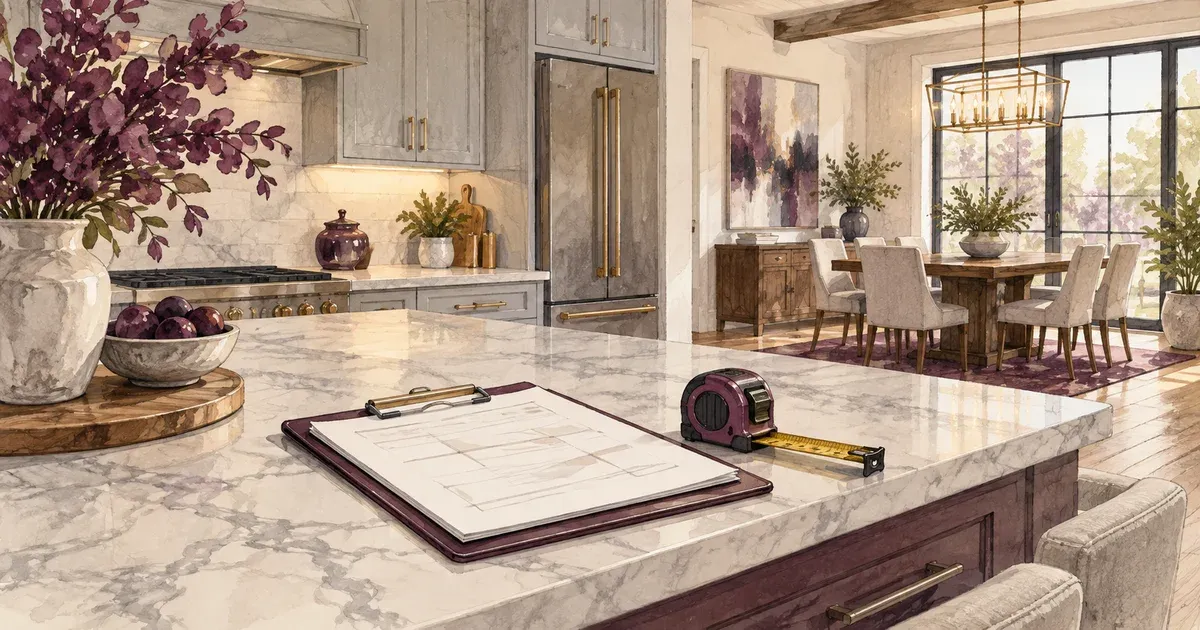
A remodeled kitchen can make a home easier to live in every day, but does it move the needle on an appraisal? Usually yes — just not dollar for dollar. Appraisers credit specific, comparable-supported improvements, not the size of your invoice, so how to increase your home's appraisal value comes down to picking the right projects, keeping the work in line with your neighborhood, and documenting it well enough for an appraiser to give you full credit.
For Twin Cities homeowners, that distinction matters. Remodeling is often a smart investment in comfort, function, and long-term pride of ownership. An appraisal is simply one measure of its financial return, not the only reason to make an improvement.
- How Appraisers Look at a Remodeled Home
- Which Remodeling Projects Tend to Help Appraisal Value?
- What Hurts an Appraisal, Even After a Remodel
- Document the Work So the Appraiser Can Credit It
- Plan for Value Before Construction Begins
- Frequently Asked Questions
How Appraisers Look at a Remodeled Home
An appraiser does not start with your remodeling invoice and add its total to the home's previous value. Instead, they estimate market value by studying recent sales of comparable homes — the home's location, square footage, condition, layout, amenities, and the features buyers have demonstrated they will pay for in that area.
Remodeling can influence several of those factors. A dated home with worn cabinets, aging fixtures, or an unfinished basement may compare less favorably to updated homes nearby. Thoughtful improvements can move your property into a stronger condition category and make it more comparable to higher-priced sales — which is the actual mechanism behind an appraisal increase, per Bankrate's overview of how home appraisals work.
The key word is comparable. A beautifully finished primary bathroom may carry meaningful value if similar updated homes in your Lakeville, Eagan, or Apple Valley neighborhood sell for more. If it is far more elaborate than nearby homes, the appraisal may not reflect every premium selection. Buyers may still appreciate it, but the local sales data sets the ceiling.
Cost, value, and resale are three different numbers. A $60,000 remodel does not automatically create $60,000 in appraised value — it may increase value by less than the project cost while still being a worthwhile decision because your family gets years of better use from the space. The annual JLC Cost vs. Value report tracks this gap project-by-project on a national and regional basis.
Which Remodeling Projects Tend to Help Appraisal Value?
The projects that make the strongest case improve function, condition, and broad buyer appeal — and feel appropriate for the house and its price point, not over- or under-built for the neighborhood.
Kitchen remodeling
Kitchens receive attention because they are highly visible and heavily used. Replacing failing cabinets, improving a cramped layout, adding practical storage, updating worn countertops, and installing well-chosen lighting can make a real difference in a home's perceived and supported value.
The most effective kitchen remodels are not always the most expensive ones. Durable materials, a functional layout, and professional installation tend to age better than highly personalized finishes. Homeowners considering a kitchen remodel in Shakopee or elsewhere in the South Metro run into the same question: if surrounding homes have updated kitchens, bringing yours to a comparable standard is usually what moves the appraisal.
Bathroom updates
Bathrooms can influence value for similar reasons: condition is immediately apparent, and buyers often associate dated or poorly maintained bathrooms with future work. A well-planned update with reliable plumbing fixtures, good ventilation, proper tile work, and useful storage can strengthen an appraisal and buyer confidence.
Avoid treating every bathroom as a luxury showcase unless that level of finish fits the home and neighborhood. A clean, comfortable, carefully built bathroom is usually a better investment than a design that appeals only to a narrow group of buyers.
Finished basements and usable living space
In Minnesota, a finished basement can be a major lifestyle improvement — a family room, office, exercise space, guest area, or room for teenagers to spread out. Appraisers recognize finished lower-level space, though it is often valued differently than above-grade square footage.
That does not make basement finishing a poor investment. It means homeowners should plan around how the space will function while ensuring the work is properly permitted, dry, safe, and professionally completed. Egress, ceiling height, insulation, mechanical access, and moisture control all affect the credibility of the finished space in an appraiser's eyes.
Repairs and maintenance that protect condition
Some of the best value-preserving work is not glamorous. Addressing water damage, repairing deteriorated trim, replacing worn flooring, correcting electrical concerns, improving ventilation, and maintaining exterior elements can prevent an appraiser or buyer from viewing the home as deferred maintenance.
These projects may not create the same excitement as a new kitchen, but they support the overall condition of the property. A home that appears cared for gives an appraiser fewer reasons to discount their number.
What Hurts an Appraisal, Even After a Remodel
Over-improving is real, and it is one reason a clear plan matters. If a home has a high-end kitchen but the roof, windows, bathrooms, and exterior are all tired, an appraiser may see an imbalance. Major upgrades are more persuasive when the rest of the home is in reasonably good condition.
Personalization can also limit value. A bold color palette is easy to change, but a highly specialized layout, an unusual built-in feature, or the removal of a practical bedroom may narrow the comparable pool an appraiser can draw from. Your home should reflect your taste, especially if you plan to stay, but resale flexibility is worth considering when making permanent changes.
Timing matters as well. An appraisal reflects a point in time. Even excellent work can be constrained by a slower market, limited comparable sales, or a neighborhood where sale prices have not caught up with replacement costs.
Skipped permits hurt, too. Work that affects structure, electrical systems, plumbing, or mechanical systems may require permits and inspections under Minnesota's state building code. Unpermitted work can complicate an appraisal, raise questions during a sale, or create expensive corrections later — see our permit guide for what typically requires sign-off.
Document the Work So the Appraiser Can Credit It
The best time to protect value is before a project is designed. Start by defining what is not working in your home. Is the kitchen short on storage? Is an unfinished basement leaving valuable space unused? Are aging bathrooms creating maintenance concerns? Clear goals help prevent spending on features that do not solve a meaningful problem.
Keep documentation as the work progresses: contracts, permits, plans, warranties, before-and-after photos, and a concise list of improvements. An appraiser cannot assign value based on receipts alone, but complete information helps them understand the scope, quality, and timing of the work — Bankrate's guide notes this explicitly for anyone expecting an appraiser to give full credit for renovations. It is particularly helpful for improvements that are not obvious at a glance, such as insulation, electrical upgrades, waterproofing, or new mechanical systems.
Choose quality work over shortcuts. Appraisers and buyers notice craftsmanship even when they cannot name every construction detail. Uneven tile, poorly fitted cabinets, unfinished transitions, and makeshift repairs can undermine an otherwise attractive remodel. Quality work does more than look better on the day it is completed — it holds up, reduces future repair concerns, and gives an appraiser confidence in what they are looking at.
Plan for Value Before Construction Begins
Look at the surrounding market before finalizing scope. You do not need to copy every nearby house, but understanding local expectations helps you select an appropriate finish level. A knowledgeable remodeling professional can also identify where investments in layout, durability, and code-compliant work will matter more than a costly surface upgrade — with no hidden costs, no surprises once the project starts.
A remodel does not need to pay for itself entirely through an immediate appraisal increase to be a sound choice. The strongest projects solve real problems, fit the home and neighborhood, and are built with care. See our breakdown of which projects deliver the best return for how appraisal value fits into the bigger financial picture.
Frequently Asked Questions
Does remodeling increase appraisal value dollar for dollar?
Rarely. Appraisers estimate value from comparable sales, not from your project invoice, so a $50,000 remodel typically adds less than $50,000 in appraised value even when it is a worthwhile investment for how you use the home.
Which remodeling projects increase appraisal value the most?
Kitchen and bathroom updates, finished basements, and repairs that fix deferred maintenance tend to have the most consistent impact, because they change the home's condition category and bring it in line with updated comparable sales nearby.
Can a remodel hurt my appraisal?
Yes, if it is far more elaborate than nearby homes, removes a practical feature like a bedroom, or was done without required permits. An appraiser can only credit what compares favorably to the local market and what is properly documented.
Do I need permits for the work to count toward appraisal value?
For anything affecting structure, electrical, plumbing, or mechanical systems, yes — unpermitted work can raise questions during an appraisal or a sale. Minnesota's state building code outlines what typically needs a permit.
How do I make sure my appraiser knows about the work I did?
Keep contracts, permits, receipts, and before-and-after photos, and be ready to walk the appraiser through what was done and when. This matters most for improvements that are not visible at a glance, like new mechanical systems or moisture control work.
At Honey-Doers, the conversation starts with how you use your home, how long you expect to stay, and what level of investment makes sense for your goals. That approach helps homeowners make decisions that support both everyday living and long-term value — contact us to talk through what your project should look like.