A metal roof will outlast an asphalt shingle roof by two to three times — but it costs more upfront, and "lasts longer" doesn't automatically mean "right for your house." The real comparison depends on how long you plan to own the home, what your roof deck can support, and how much Minnesota's freeze-thaw cycles matter to your specific roof.
- Metal vs. Asphalt at a Glance
- How Long Each Roof Type Actually Lasts
- Upfront Cost vs. Long-Term Value
- How Each Material Handles Minnesota Winters
- Maintenance: What Ongoing Upkeep Looks Like
- Energy Efficiency and Curb Appeal
- Which Roof Type Fits Your Home
Metal vs. asphalt at a glance
Asphalt shingles remain the default choice for most Twin Cities homes, and metal roofing is the material homeowners consider when they're planning to stay in the house long-term or want to stop replacing the roof every few decades. Neither is the "correct" answer — they trade off differently on cost, longevity, and weather performance.
| Asphalt shingles | Metal roofing | |
|---|---|---|
| Typical lifespan | 15–30 years | 40–70 years |
| Upfront cost | Lower | 2–3x higher |
| Freeze-thaw / ice dam resistance | Moderate — granule loss over time | Strong — sheds snow and ice faster |
| Maintenance | Periodic inspection, occasional shingle repair | Low — recoat every 10–15 years |
| Best for | Shorter ownership horizon, lower upfront budget | Long-term ownership, harsh-weather durability |
How long each roof type actually lasts
Asphalt shingles are rated for 20 to 30 years by most manufacturers, but real-world lifespan in Minnesota tends to land at the shorter end of that range — often 15 to 25 years — because of how hard freeze-thaw cycling and ice damming are on the granule coating and seal strips. Metal roofing, by contrast, routinely lasts 40 to 70 years with basic upkeep, and some standing-seam steel and aluminum installations exceed that.
The gap comes down to how each material fails. Asphalt shingles degrade gradually — granules wear off, seal strips lose adhesion, and the mat underneath becomes brittle with UV exposure and temperature swings. Metal panels don't have a comparable wear mechanism; failure usually traces back to a fastener, seam, or flashing detail rather than the panel material itself, which is why a well-installed metal roof can outlive the homeowner who put it on.
Upfront cost vs. long-term value
Asphalt shingles cost less to install, which is why they remain the default for most re-roofing jobs. Metal roofing runs roughly two to three times the upfront cost of a comparable asphalt job, largely due to material and specialized-labor costs.
The long-term math changes that picture. If a homeowner replaces asphalt shingles once every 20 years and a metal roof lasts 50-plus years, the metal roof can require zero replacements over a period where asphalt needs two. The JLC Cost vs. Value report tracks roof replacement return on investment each year — asphalt shingle replacement consistently recoups a strong share of its cost at resale, which is part of why it remains the volume choice even where metal would outlast it.
The break-even point for metal roofing depends heavily on how long you plan to stay in the home. A homeowner selling within five to ten years rarely recovers the cost premium; a homeowner planning to stay 20-plus years often does.
How each material handles Minnesota winters
Minnesota's freeze-thaw cycles are hard on both roofing materials, but they expose different weaknesses. Asphalt shingles can crack in extreme cold, and their granule surface gives ice dams something to grip as meltwater refreezes at the eaves. Metal roofing's smooth, slick surface sheds snow and ice more readily, which reduces (though doesn't eliminate) ice dam formation, and steel and aluminum panels don't become brittle in sub-zero temperatures the way asphalt can.
Neither material is immune to ice dams — those form from heat loss through the attic, not from the roofing material itself. But a metal roof's ability to shed accumulated snow before it compacts into ice gives it a real edge in a climate where multi-day sub-freezing stretches are routine. Proper attic insulation and ventilation still matter more than roofing material for ice dam prevention, a point the University of Minnesota Extension's ice dam guidance covers in more depth.
Maintenance: what ongoing upkeep looks like
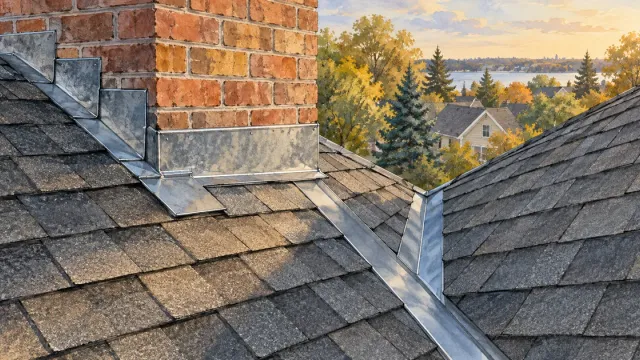
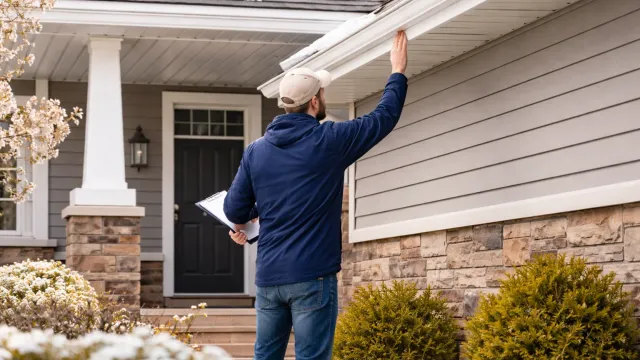
Asphalt shingle roofs need periodic visual inspection — after major storms, and at least once a year — checking for missing or curling shingles, granule loss in gutters, and flashing that's pulled away at chimneys or valleys. Most of that maintenance is reactive: you fix what's visibly damaged rather than following a fixed schedule.
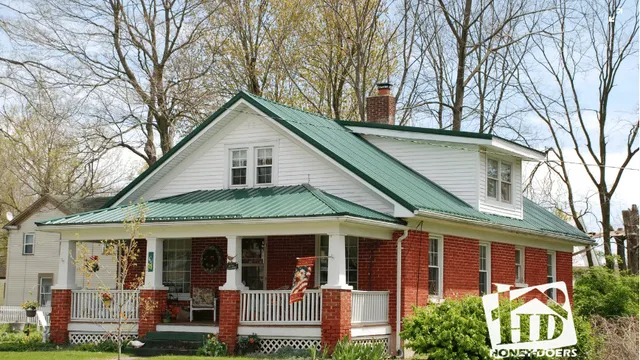
Metal roofs need less frequent attention but aren't maintenance-free. Fastener seals and protective coatings typically need a recoat or inspection every 10 to 15 years, and panel seams should be checked after severe hail or wind events. Improperly installed metal roofing — panels fastened too tight, flashing details skipped — is also more prone to leaks than a comparably imperfect asphalt install, which makes installer experience with the specific system matter more for metal than for shingles.
Energy efficiency and curb appeal
Metal roofing reflects more solar radiation than asphalt shingles, which can measurably reduce attic heat gain in summer — ENERGY STAR's home upgrade guidance covers reflective roofing as one of several upgrades that reduce cooling load. That benefit matters less in Minnesota than in a hotter climate, but it's a real, if secondary, factor for homeowners weighing the two materials.
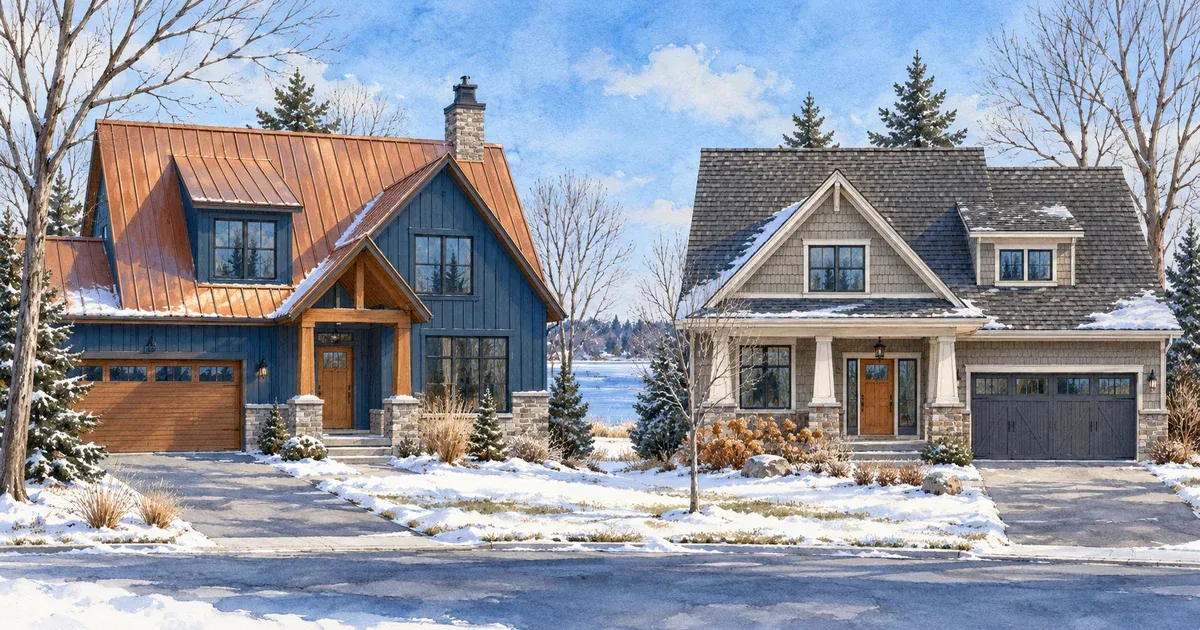
On curb appeal, standing-seam metal has become a sought-after look on modern and farmhouse-style homes across the Twin Cities, while asphalt shingles remain the more traditional choice and offer far more color and texture variety at a lower cost. Neither is objectively better here — it's largely a style decision tied to the rest of the home's exterior.
Which roof type fits your home
Asphalt shingles make sense for most homeowners re-roofing on a standard 15-to-20-year ownership horizon, or working with a tighter project budget. Metal roofing makes more sense for a homeowner planning to stay long-term, one who's tired of repeat roof replacements, or one prioritizing ice dam resistance on a home with a documented ice dam history.
Either way, the roof deck's structural condition and the quality of the installation matter more to actual lifespan than the brochure numbers for either material — a poorly installed metal roof can underperform a well-installed asphalt one. A homeowner in Eden Prairie replacing storm-damaged shingles, for example, is a very different decision than a new-construction install where the roofing choice is being made from scratch.
If you're weighing a full roof replacement, our roofing services page covers what a project typically involves start to finish, and our guide on what to do after storm damage is worth a read if hail or wind is what's driving the decision. Contact us to talk through which material makes sense for your roof, your budget, and how long you're planning to stay in the home.