
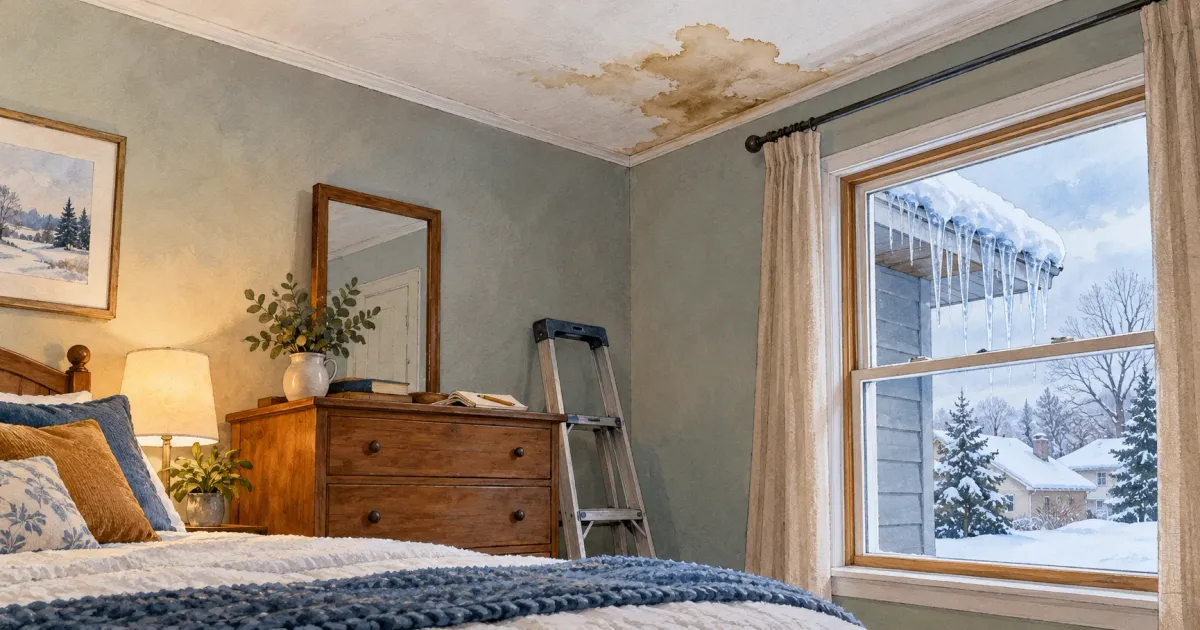
A small stain on the ceiling, a furnace that sounds different, and a bathroom that has needed updating for years can all compete for attention at the same time. Knowing how to prioritize home repairs keeps the loudest inconvenience from taking money away from the issue that could cause real damage. The goal is not to tackle every item at once. It is to make sound decisions that protect your home, your budget, and your peace of mind.
For Twin Cities homeowners, that process also has to account for our climate. A minor exterior gap feels less urgent in July than it does before a Minnesota winter. A slow plumbing leak seems manageable until it reaches flooring, cabinetry, or the room below. A thoughtful plan brings those risks into focus before they become expensive surprises.
- Start With Safety and Active Damage
- How to Prioritize Home Repair Projects by Risk
- Sort the List Into Now, Next, and Later
- A Sample List, Sorted
- Separate Repairs From Planned Improvements
- Consider Timing, Season, and Access
- Build a Budget With Room for the Unexpected
- Frequently Asked Questions
Start With Safety and Active Damage
The first repairs on your list are the ones that could hurt someone or are letting damage happen right now. These are not projects to postpone while you compare finishes or wait for a more convenient season.
Examples include outlets that spark or feel warm, a gas smell, loose handrails, damaged stairs, structural movement, roof leaks, standing water, and plumbing leaks that are actively wetting walls or floors. If you smell gas, leave the house first and call your gas utility or 911 from outside; that is not a repair to schedule. Missing or expired alarms belong here too. Minnesota law requires a working carbon monoxide alarm within ten feet of each room used for sleeping in every single-family home, and it is one of the cheapest items you will ever move to the top of a list.
Water deserves special attention because its visible footprint is usually smaller than the actual problem. A ceiling spot may point to a roof issue, an ice dam, a plumbing leak, or condensation. Before repairing drywall or repainting, identify and correct the source. Cosmetic work completed before the cause is resolved can mean paying for the same work twice.
How to Prioritize Home Repair Projects by Risk
Once immediate hazards are handled, rank everything else by what happens if you wait. This is where homeowners make the biggest difference in long-term cost.
The useful question is: will this issue stay about the same for the next six to 12 months, or will it spread, fail, or become harder to repair? A loose cabinet handle can wait. Cracked caulk around a tub may not, especially if water is already reaching the wall behind it. An aging water heater that still works deserves planning and budgeting before it fails on a holiday weekend.
Weigh each project through four lenses:
- Safety: Could this create a risk for people in the home?
- Damage progression: Is water, rot, mold, pests, or structural deterioration likely to spread?
- System reliability: Does it affect heat, plumbing, electrical service, drainage, or another essential function?
- Cost of delay: Will waiting turn a targeted repair into a larger replacement?
Projects that rank high on two or more of these usually belong ahead of appearance-only updates. That does not make a kitchen refresh or basement project unimportant. It means the home needs to be stable, dry, and safe for those investments to last.
Sort the List Into Now, Next, and Later
Every project on the list goes into one of three tiers: now, next, or later. The four lenses above decide which.
| Tier | What belongs here | Typical examples | Timing |
|---|---|---|---|
| Now | A safety risk, active damage, or a high chance of failure | Water coming in, warm outlets, missing CO alarms, loose stair rails | Before anything else |
| Next | Problems that worsen with time, or work that pairs with something already planned | Failing tub caulk, an aging water heater, exterior trim with soft spots, gutters that overflow | Within the coming year |
| Later | Cosmetic and lifestyle improvements that can wait without risking the home | Dated finishes, a closet layout, a kitchen that works but feels tired | When budget and schedule allow |
Then revisit the list every few months. A repair that was reasonable to monitor in spring may move up after a heavy rain, a hard winter, or a change in how your family uses the space. Keep notes, take dated photos of anything you are watching, and record when a symptom changes. That record makes it much easier to have a productive conversation with a contractor, and it pairs well with a seasonal home repair checklist for spotting new items in the first place.
A Sample List, Sorted
Here is how the tiers work on a realistic list. Picture a 1980s two-story in Eden Prairie whose owners wrote down everything bothering them over one winter:
- A brown ring on the ceiling of an upstairs bedroom, near the exterior wall, that showed up in February
- No carbon monoxide alarm near the lower-level guest bedroom
- A 14-year-old tank water heater that still works
- Cracked, discolored caulk around the main bathtub
- A kitchen with original oak cabinets and laminate counters
- Gray, weathered deck boards with no soft spots
Now: the CO alarm, which is a same-day fix and a legal requirement. The ceiling stain also goes here, but the repair is not the drywall. A February stain near an exterior wall points to an ice dam, and University of Minnesota Extension identifies warm air leaking from the house into the attic as the major source of the heat that forms them in many homes. The right order is to seal those attic air leaks, add insulation if it is thin, confirm the roof is properly ventilated, and only then repair the ceiling. A new coat of paint first would likely be stained again by next winter.
Next: the tub caulk, before water works into the wall cavity, and the water heater. It does not need replacing today, but pricing it now means the decision gets made on your schedule rather than on the morning it stops heating.
Later: the kitchen and the deck. The deck boards are weathered, not failing. The kitchen is a real goal, and keeping it in "later" is what keeps the earlier items from being squeezed out of the budget.
Separate Repairs From Planned Improvements
Repairs restore a function or correct a problem; improvements make daily life better. Keeping those categories separate prevents frustration and makes budgeting more realistic.
Replacing a failed sump pump, repairing damaged siding, fixing a shower leak, or correcting unsafe wiring are repairs. Updating a laundry room, improving a closet layout, finishing unused basement space, or redesigning a dated bathroom are planned improvements, and those can be scheduled around your budget and family routine.
The line can blur. An old bathroom may look like a design concern, but recurring moisture, poor ventilation, and failing tile can turn it into a repair-driven project. A kitchen update may be the natural moment to correct undersized electrical service, worn subfloor, or plumbing concerns while walls and cabinets are already open.
Combining related work is a smart use of resources when the scope is clear. It is rarely wise to begin a large improvement just to avoid a small repair. It can make sense, though, to replace aging components during a planned remodel rather than install temporary fixes that will be torn out later. When several rooms or systems are involved, a single whole-home remodeling plan keeps that sequencing in one place.
Consider Timing, Season, and Access
The right priority is not always the most visible project, because Minnesota's seasons decide when some work can happen at all.
Roof, siding, grading, drainage, deck, and exterior trim repairs need workable weather, and they are best finished before freeze-thaw cycles open small gaps into larger ones. Have heating performance checked well before the first cold snap, and air conditioning before the first hot stretch of summer. Interior repairs are the most flexible, which makes them a good fit for winter.
Access matters too. If flooring is being replaced in several rooms, nearby painting, trim, or closet work is easier to complete at the same time. If a bathroom is being remodeled, consider whether an adjacent laundry hookup or a ventilation improvement should be planned with it. Coordinating work reduces disruption, but it should never become an excuse to add projects that do not support your priorities.
Build a Budget With Room for the Unexpected
A repair list is only useful if it connects to a realistic budget. Fund the "now" items first, then request clear scopes and written estimates for the "next" tier. A professional assessment helps separate a repair that needs prompt attention from one that can be monitored.
For larger projects, hold back a contingency rather than committing every dollar to finishes. Older homes reveal hidden conditions once materials come off, particularly around plumbing, wiring, insulation, and water-damaged areas, and those discoveries are the most common reason remodel budgets change. Age brings regulatory steps as well: in a home built before 1978, any repair that disturbs painted surfaces, including window replacement, falls under the EPA's lead-safe renovation rule, which affects who can do the work and how. Planning for these possibilities does not mean expecting the worst. It means avoiding pressure-driven decisions if something does turn up.
Be careful with the lowest price when the repair involves water management, structure, electrical work, or systems your household relies on every day. A low number is costly if the diagnosis is incomplete or the work does not address the cause. Proper licensing and insurance and a detailed scope are part of protecting the investment. Many smaller "now" and "next" items, like caulking, a stair rail, or a slow drain, are a good fit for a home maintenance visit rather than a full project.
Frequently Asked Questions
What home repairs should I do first?
Start with anything that is a safety risk or is letting damage happen right now: gas or electrical hazards, missing smoke and CO alarms, unsafe stairs and railings, and any water entering the house. After those, prioritize repairs that get worse with time, especially anything involving water, rot, or an essential system like heat or plumbing. Cosmetic updates come last.
How do I know if a repair can wait?
Ask whether the problem will look about the same in six to 12 months. A sticking door or a worn finish usually will. A leak, soft wood, a growing crack, or a system that is struggling usually will not. If you are unsure, take a dated photo and check it again in a few weeks, or have a professional look at it.
What is the most overlooked home repair?
In Minnesota, it is often anything that controls where water and warm air go: downspouts that empty right next to the foundation, gaps in caulk and flashing, and air leaks into the attic that feed winter ice dams. They are easy to ignore because nothing looks broken until a stain or a damp basement wall shows up.
Should I fix things before selling my house?
Fix the items a buyer's inspector will flag as safety or water problems, since those can stall a sale or invite a lower offer. Large cosmetic remodels are a different question, and they do not always return their cost. We cover that decision in should I remodel before selling my Twin Cities home.
A well-prioritized repair plan is not about making the house perfect all at once. It is about protecting the home you have, making improvements when the time is right, and knowing each project supports the next. If you would like a second set of eyes on your list, contact us and we can help you sort out what needs attention now and what can wait.