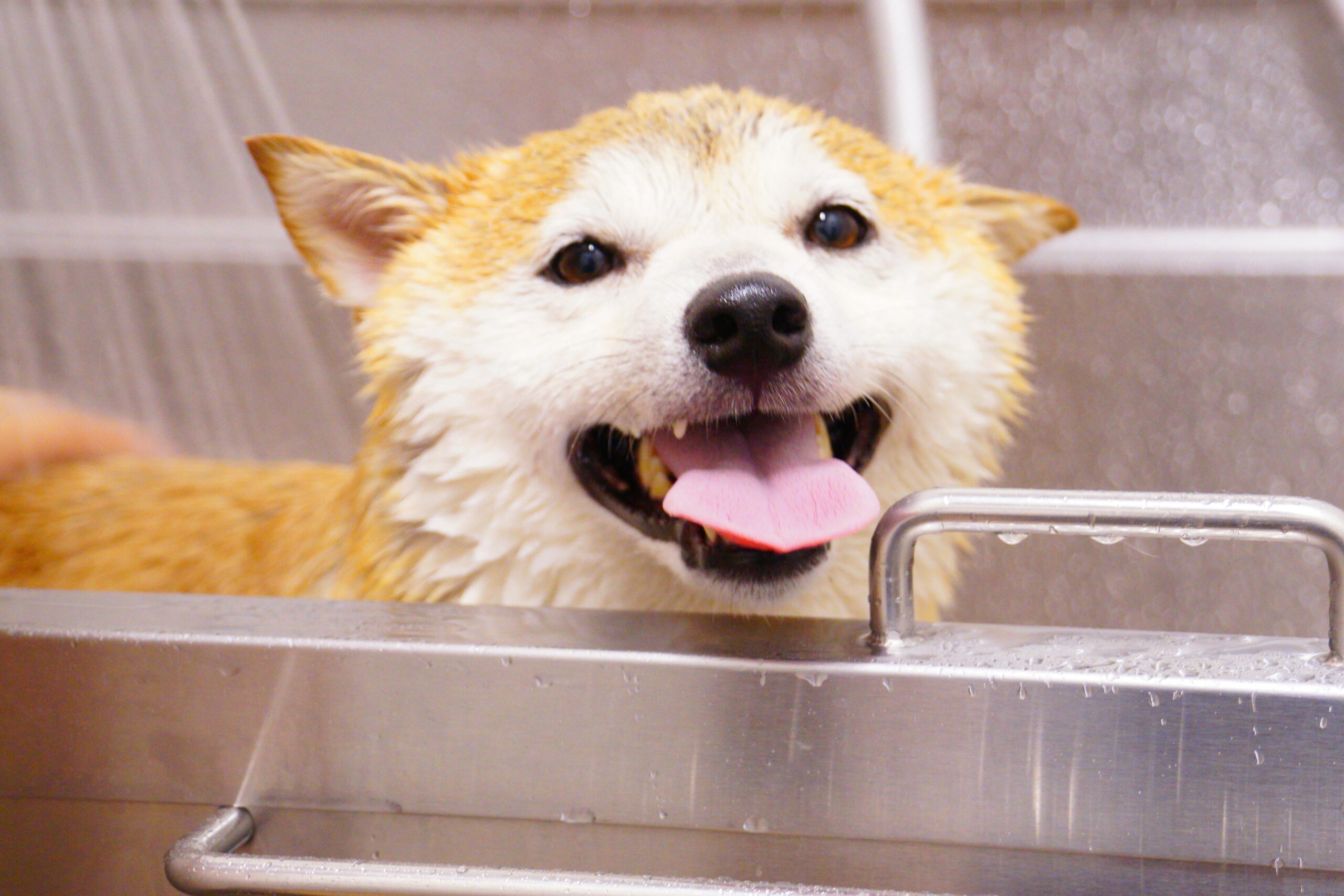
You know the routine. April hits, the snow starts to melt, and every walk ends the same way: a wet, muddy dog standing at your back door, tail wagging, tracking a map of the neighborhood across your hardwood floors. Or it’s February, and you’re contorted over the family bathtub trying to bathe a 60-pound Labrador who wants nothing to do with this arrangement. Your back hurts. The bathroom is soaked. The dog is already shaking off on the towels.
There’s a better way. A dedicated pet wash station — built into your mudroom or laundry room — solves the mess at the point of entry, keeps pet care off your bathroom schedule, and makes a daily chore feel almost effortless.
The Case for a Dedicated Pet Zone
A mudroom dog wash station isn’t a luxury add-on. For Minnesota dog owners, it’s a functional upgrade that pays for itself in time, effort, and floor cleaning supplies by the end of the first spring.
The key insight is location. A wash station at the point of entry before the dog reaches the rest of the house — contains the mess where it’s easiest to manage. Water, mud, and dog hair stay in a tiled, drainable zone instead of migrating to your rugs and furniture. That containment logic is the same reason mudrooms exist in the first place.
Ergonomics and Plumbing: The Two Non-Negotiables
Before the design details, two fundamentals determine whether your pet station actually gets used every day.
Ergonomics means building to the right height. Bending over a floor-level tub to bathe a dog is hard on your back, hard to control, and easy to avoid — which is why most dog owners end up defaulting to the family bathtub despite hating it. An elevated wash tub, positioned so the dog’s back is roughly at your waist height, eliminates that strain entirely. This is the single biggest quality-of-life improvement a pet station can deliver.
Plumbing determines what’s possible. A pet wash station needs a dedicated hot and cold supply line and a floor drain or tub drain tied into your home’s drain stack. In a laundry room, you often have a head start — the infrastructure is nearby. In a mudroom, you may need to run new lines, which is a manageable cost that should be factored into your planning from the start. Waterproofing the surrounding floor and lower wall surfaces isn’t optional; it’s the difference between a pet station and a water damage claim.
For a home maintenance perspective: plumbing and waterproofing done right at the build stage costs a fraction of what remediation costs later. Do it once, do it correctly.
Four Design Features Worth Building In
1. Elevated Wash Tub with Ramp Access
The tub is the centerpiece of the station, and height is the critical variable. A standard utility sink sits too low for comfortable dog bathing. A purpose-built elevated tub — positioned at 32–36 inches, depending on your height and your dog’s size — lets you work upright with full control.
Stainless steel is the material of choice for good reason. It’s non-porous, easy to disinfect, resists odors, and holds up to years of use. A molded stainless steel dog wash station with a slip-resistant floor surface is worth the investment over a repurposed laundry tub.
The ramp closes the gap for dogs who won’t tolerate being lifted or who are too large to hoist safely. A fold-down or removable ramp with a textured surface gives the dog a confident path in and out, which makes the whole process faster and less stressful for both of you.
Why It Works:
- Ergonomics — upright posture eliminates back strain during every bath
- Control — elevated height gives you better access to the dog and better command of the process
- Safety — ramp access prevents lifting injuries for large or aging dogs
- Durability — stainless construction handles heat, moisture, and cleaning chemicals without degrading
Ideal For: Households with medium to large dogs, owners with back issues, or anyone tired of the bathtub workaround. Also essential for multi-dog households where bathing frequency is high.
2. Commercial-Grade Handheld Sprayer with Temperature-Controlled Faucet
A standard showerhead on a fixed arm is the wrong tool for dog bathing. You need to get under the coat, around the legs, and along the belly — all of which require a handheld sprayer on a generous hose. Commercial-grade sprayers designed for pet grooming deliver higher pressure than residential kitchen sprayers and are built to withstand constant use.
Temperature control matters more than most people expect. Dogs are sensitive to water temperature, and a dog who gets blasted with cold water on a February morning is going to make every future bath a battle. A thermostatic mixing valve — the same technology used in high-end shower fixtures — lets you dial in a consistent temperature that won’t fluctuate when someone runs the dishwasher.
Why It Works:
- Efficiency — handheld reach cuts bathing time significantly compared to fixed spray
- Thoroughness — direct access to coat, paws, and underbelly without repositioning the dog repeatedly
- Comfort — consistent warm water reduces bath-time stress for the dog
- Longevity — commercial-grade fixtures outlast residential hardware by years under heavy use
Ideal For: Any pet station where bathing happens weekly or more. Especially valuable for double-coated breeds (huskies, golden retrievers, shepherds) that require thorough rinsing to prevent skin issues.
3. Integrated Hair-Catching Drainage System
Dog hair is the hidden adversary of any pet wash station. A standard floor drain will clog with remarkable speed if it’s not designed to catch hair before it enters the drain line. A clogged drain in a dedicated wash area doesn’t just cause standing water — it means a plumbing call and a disrupted space.
The solution is a two-part drain system: a hair-catching basket or strainer insert at the tub drain, combined with a floor drain with a removable debris trap. Both should be easy to clean — meaning tool-free removal and a design that doesn’t require digging hair out with your fingers. Stainless mesh inserts that lift out and rinse clean are the standard in professional grooming facilities for good reason.
Why It Works:
- Drain protection — keeps hair out of your pipes before it becomes a blockage
- Easy maintenance — removable inserts clean in seconds, not minutes
- Floor safety — proper drainage prevents standing water and the slip hazard it creates
- Long-term reliability — protects your plumbing investment from the most common cause of pet station drain failure
Ideal For: Any household with a shedding breed. Non-negotiable for double-coated or long-haired dogs. Also worth specifying in any laundry room dog wash station where the drain ties into shared plumbing.
4. Built-In Storage Alcoves for Towels and Grooming Supplies
The wash station should be self-contained. If the towels are in the linen closet down the hall and the shampoo is under the bathroom sink, you’re going to drip a wet dog across the house every time — which defeats the whole purpose.
Built-in niches or open shelving within arm’s reach of the tub keep everything organized and accessible. A towel bar or hook rail at the side of the station lets you grab a dry towel without leaving the wash area. Closed cabinet storage below the tub keeps grooming supplies off the floor and out of the dog’s reach. If space allows, a small drawer for nail clippers, ear cleaner, and grooming tools makes the station a complete care zone, not just a bathing spot.
Why It Works:
- Containment — everything needed for the full grooming routine is in one place
- Efficiency — no mid-bath trips to other rooms; the wet dog stays in the wet zone
- Organization — dedicated storage prevents grooming supplies from migrating to other rooms
- Resale appeal — built-ins look intentional and finished, adding perceived value to the space
Ideal For: Any household serious about pet care efficiency. Particularly useful for families with multiple pets or where grooming needs include more than basic bathing.
Pre-Build Checklist: Pet-Safe Materials and Planning Considerations

- Confirm location allows for plumbing rough-in (proximity to drain stack and supply lines)
- Specify non-slip tile for the floor of the wash area and any ramp surface
- Choose grout rated for wet areas and seal it properly — standard grout traps odors and bacteria
- Verify that wall surfaces in the splash zone are cement board or waterproof backer (not standard drywall)
- Select pet-safe, low-VOC paint or tile for surfaces the dog will contact
- Plan for adequate ventilation — wet dog smell needs an exhaust path
- Size the hot water supply for your bathing frequency; frequent large-dog baths can stress an undersized water heater
- Confirm drain capacity and install hair-catching inserts at both the tub and floor drain
- Consider a hook or leash anchor at the station to keep the dog stationary during baths
- Review how we approach mudroom and utility projects so you know what the build process looks like
Ready to Stop Wrestling Your Dog in the Bathtub?
A purpose-built pet wash station is one of those projects that makes you wonder why you waited. It’s practical, it protects your floors, and it makes a chore you do every week significantly less miserable.
At Honey-Doers, we’ve built mudroom and utility spaces designed around how Minnesota families actually live — dogs included. See what we’ve done in our project gallery, or reach out to us to talk about what a pet station could look like in your space. We’ll help you design something that works as hard as your dog plays.