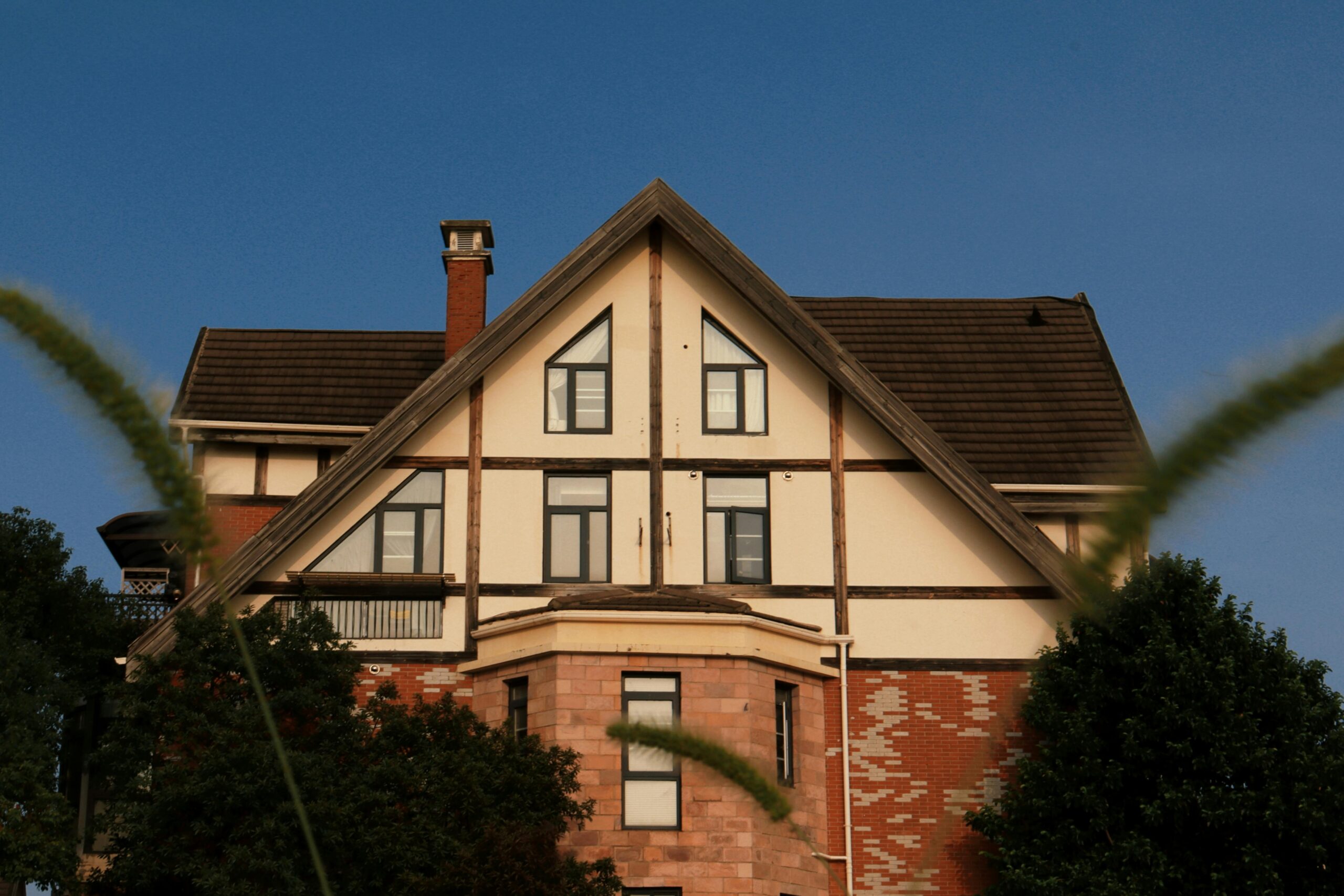
There’s a reason Tudor Revival homes stop people on the sidewalk. The steeply pitched rooflines. The half-timbered gables. The leaded glass catching the afternoon light. These are the details that make 1920s and ’30s Minneapolis neighborhoods feel like something out of a storybook—and they’re exactly why so many homeowners fall hard for a Tudor before they ever step inside.
Then they step inside.
Suddenly, the charm hits a wall. Literally. Tudor interiors were built for a different era—one that valued separate, defined rooms over open sightlines. Kitchens were tucked away, narrow, and purely functional. Natural light was filtered through small, divided windows rather than flooding in. What feels romantic from the street can feel dark and cramped from the kitchen sink.
This is the Tudor Dilemma. And it’s one that Honey-Doers helps Minneapolis homeowners solve every year.
The good news: you don’t have to choose between livability and legacy. With the right approach, a Tudor Revival home can be both deeply functional and historically faithful. This guide walks you through exactly how to do it.
Understanding What Makes a Tudor Worth Preserving
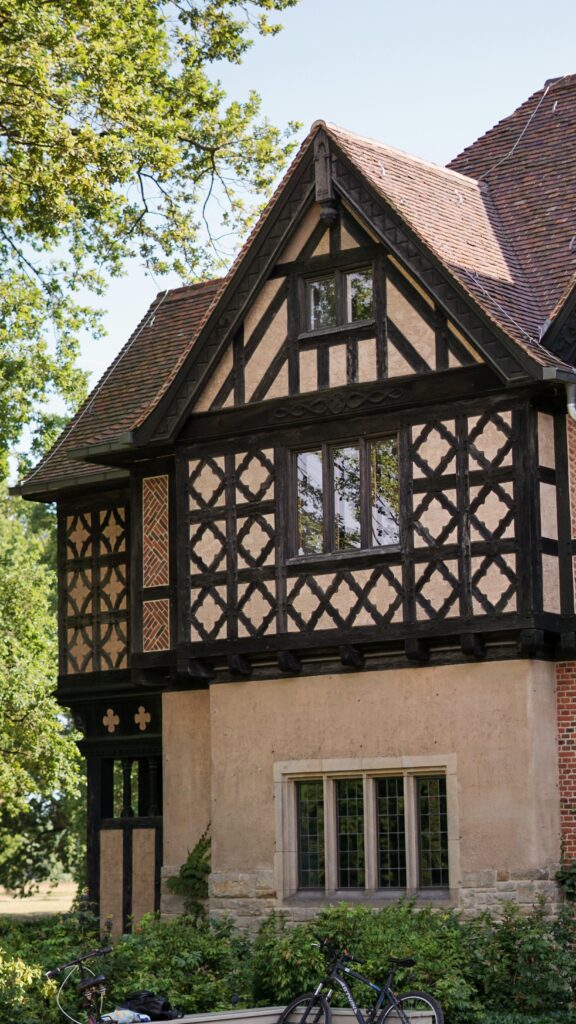
Before any walls come down or windows come out, it helps to understand what you’re actually working with. Tudor Revival homes—sometimes called “Storybook” homes—were built primarily between 1910 and 1940. Minneapolis neighborhoods like Kenwood, Lowry Hill, and Linden Hills are full of them.
The defining features aren’t just decorative. They’re structural, material, and craftsmanship-driven:
- Half-timbering: Exposed wood framing set into stucco or plaster exteriors
- Steeply pitched rooflines with cross gables and occasional turrets
- Leaded glass windows, often in diamond or Gothic arch patterns
- Masonry construction: Thick brick or stone walls that define the exterior and often interior spaces
- Heavy interior woodwork: Arched doorways, built-in cabinetry, ornate crown molding
- Lath-and-plaster walls with textures rarely replicated in modern drywall
These elements aren’t just aesthetically significant—they’re what give a Tudor its structural personality. Any renovation that ignores them risks producing something that feels neither modern nor historic. The goal is integration, not replacement.
The Technical Side: What Makes Tudor Renovation Uniquely Challenging
Tudor homes aren’t just charming—they’re demanding. A few specific challenges come up on nearly every project.
Matching Lath-and-Plaster Texture
Original Tudor interiors were finished in three-coat lath-and-plaster systems that produced a subtly textured, durable wall surface. Modern drywall doesn’t replicate this naturally. When you patch walls or open spaces, mismatched textures become immediately visible—and they telegraph “renovation” rather than “original.”
The solution is to work with plaster specialists who can match existing texture through hand-application techniques, or to skim-coat entire wall surfaces for a unified finish. It’s more labor-intensive than a drywall patch, but it’s the difference between a renovation that respects the home and one that fights it.
Retrofitting HVAC into Thick Masonry Walls
Tudor exterior walls are often 12 to 18 inches thick—and they’re load-bearing. Running ductwork, electrical, or plumbing through them requires careful planning, structural consultation, and in some cases, creative routing through interior walls or floor cavities instead.
Mini-split HVAC systems are increasingly popular in Tudor renovations for exactly this reason. They eliminate the need for major duct runs while delivering modern heating and cooling efficiency. High-velocity forced-air systems with smaller, flexible ducts are another option that can thread through tight historic framing with minimal disruption.
Preserving Structural Logic While Opening Space
Tudor homes were built with load-bearing interior walls as part of their design language. Removing them to create open floor plans isn’t impossible—but it requires engineered beam replacements, proper permits, and coordination with a structural engineer. Rushed wall removal is one of the fastest ways to compromise both the integrity and the character of a Tudor.
4 Remodeling Ideas That Work With Your Tudor
The following four projects represent the highest-impact renovations for Tudor Revival homes—each designed to improve modern function without erasing historic character.
1. The Kitchen: Custom-Milled Cabinetry That Matches Original Millwork
Tudor kitchens were an afterthought architecturally. They were small, closed off, and designed for domestic staff—not modern family life. Today’s homeowners want counter space, natural light, and connection to adjacent living areas. The challenge is delivering all of that without making the kitchen feel like it was teleported in from a different house.
The key is custom millwork. Tudor homes typically feature distinctive crown molding profiles, door casing details, and built-in cabinetry that was milled to spec. Off-the-shelf cabinet lines don’t come close. Custom-milled cabinetry allows you to match existing profiles exactly—so new upper cabinets echo the original built-ins in the dining room, and new island trim aligns with the door casings in the adjoining hallway.
If the layout needs to open up, that’s worth exploring too. Many Tudor kitchens have non-load-bearing walls between the kitchen and a back hallway or informal dining room—exactly the kind of strategic removal that creates breathing room without structural drama. See how we approach kitchen remodeling in Minneapolis for more on what that process looks like.
If you’re working with a narrow galley-style kitchen, it’s also worth reviewing 4 Smart Kitchen Layouts for Small or Narrow Kitchens—the same principles apply here.
Why It Works:
- Visual continuity: Matching millwork profiles make new cabinetry feel original rather than added
- Material honesty: Quarter-sawn oak, walnut, and painted poplar are all period-appropriate choices
- Proportional respect: Custom cabinets can be sized to Tudor ceiling heights without the awkward gap above stock units
- Flexibility: You can open the kitchen footprint slightly while keeping the millwork language intact
Ideal For: Homeowners who want a functional modern kitchen that doesn’t announce itself as a renovation when viewed from the living room.
2. The Master Suite: Converting Vaulted Attic Peaks
One of the most underused assets in a Tudor Revival home is the attic space created by those dramatic rooflines. The steep pitches that look so striking from the street often produce vaulted ceiling volumes that can be converted into generous master suite additions—without touching the exterior profile of the home at all.
This type of conversion requires careful structural work to reinforce floor joists, add dormers or skylights for natural light, and route mechanical systems into the new space. But the payoff is significant: a primary suite that feels architecturally unique, with exposed timber elements and pitched ceilings that lean directly into the Tudor aesthetic rather than fighting it.
This kind of project typically falls under whole-home remodeling when combined with other updates—and it’s worth thinking about sequencing early, since attic conversions affect how mechanical systems are routed throughout the rest of the house.
Why It Works:
- No exterior changes: The roofline stays intact, preserving curb appeal and potential historic designation compliance
- Architectural authenticity: Exposed rafters and vaulted ceilings are natural Tudor interior elements
- Significant square footage gain: Many Tudor attic conversions yield 400–700 sq ft of livable space
- Natural light potential: Dormers and skylights solve the Tudor’s most common complaint without altering the primary facade
Ideal For: Homeowners who need more bedroom square footage but don’t want to build an addition or sacrifice the exterior character of their home.
3. Window Restoration: Performance Upgrades That Preserve Diamond-Pane Patterns
The leaded glass windows in a Tudor Revival home are among its most distinctive features—and among the most expensive to replace if done wrong. Original diamond-pane and Gothic arch window patterns can’t be replicated with standard replacement windows. And in Minneapolis, where historic preservation guidelines often restrict exterior alterations, replacing them outright may not even be an option.
The better approach is restoration combined with performance retrofitting. Existing sashes can be restored, reglazed, and weatherstripped to modern performance standards. Interior storm window systems—installed on the room side of original windows—dramatically improve thermal performance without altering the exterior appearance. In cases where original glass is beyond repair, custom leaded glass fabrication can match existing patterns with period-appropriate materials.
Why It Works:
- Historic compliance: Restoration rather than replacement often satisfies local preservation guidelines
- Energy performance: Interior storm systems can achieve thermal ratings comparable to modern double-pane windows
- Character retention: The diamond-pane pattern remains intact—both the visual effect and the craftsmanship story
- Long-term value: Restored original windows typically outlast vinyl replacement windows by decades when properly maintained
Ideal For: Homeowners in historic districts or on preservation registers, and anyone who understands that the windows are a primary feature—not a liability.
4. Integrated Media Centers: Built-Ins Designed to Mimic Arched Doorways
Modern living rooms need to accommodate flat-screen televisions, streaming equipment, and speaker systems. Tudor living rooms were not designed with any of this in mind. The result, in many homes, is a large TV mounted awkwardly on a plaster wall that was meant to feature a fireplace surround or framed artwork—not a 65-inch screen.
The solution is built-in media cabinetry designed to mimic the arched doorway profiles standard in Tudor interiors. A custom built-in unit with an arched top panel, flanking cabinets, and period-appropriate millwork can house a television while making it look like it belongs. The TV becomes a feature panel within a built-in—rather than an intrusion on the room’s character.
Why It Works:
- Profile matching: Arched millwork details echo existing doorways, creating visual rhythm rather than interruption
- Concealment: Equipment storage and cable management are built in from the start
- Flexibility: Built-ins can incorporate original-style iron hardware, leaded glass cabinet doors, and period paint colors
- Room coherence: The media center anchors the living room rather than dominating it
Ideal For: Homeowners who want a functional media space but refuse to let a television become the default focal point of their most architecturally significant room.
Planning Checklist: Navigating Minneapolis Historic Preservation Guidelines
Before any permit gets pulled or any contractor walks through the door, Tudor homeowners—especially those in designated historic districts—should work through this checklist.
Before You Begin
- [ ] Determine your home’s historic designation status (local landmark, National Register, or conservation district)
- [ ] Contact the Minneapolis Heritage Preservation Commission (HPC) early—before design decisions are made
- [ ] Identify which elements are character-defining features (CDFs) that must be preserved or matched
- [ ] Review the Secretary of the Interior’s Standards for Rehabilitation—the national benchmark for historic renovation
During the Design Phase
- [ ] Document all existing millwork profiles, window patterns, and plaster textures before work begins
- [ ] Work with a contractor who has demonstrable experience in historic renovation—not just general remodeling
- [ ] Get structural engineering review before removing any interior wall—assume it’s load-bearing until proven otherwise
- [ ] Specify materials in advance: confirm that replacement lumber, plaster mix, and millwork profiles match existing conditions
Before Breaking Ground
- [ ] Pull all required permits—historic renovation still requires standard building permits
- [ ] Confirm HPC approval in writing before any exterior work begins
- [ ] Explore potential tax credits—Minnesota offers historic tax credit programs for qualified rehabilitation projects
- [ ] Plan for longer timelines—historic renovation work is typically 20–40% slower than standard remodeling
For a deeper look at how we structure projects from first call to final walkthrough, see how we work.
Ready to Start the Conversation?
A Tudor Revival home is one of the most rewarding renovation projects you can take on—but it rewards preparation and expertise in equal measure. The homes that come out ahead are the ones where the contractor understood not just what the homeowner wanted, but what the house was asking for.
At Honey-Doers, we work with Minneapolis homeowners on exactly these kinds of projects. We respect the craftsmanship in your walls, and we bring the same precision to our work. Whether you’re thinking through a kitchen remodel, an attic conversion, or a full historic renovation plan, we’re the right team to walk it with you.
Browse our project gallery to see finished work, or contact us to schedule a free consultation. Let’s talk about what your Tudor deserves.