The Modern Comeback: Why Butler Pantries Are Becoming Mini Kitchens
Once considered an old-fashioned feature of historic homes, the butler pantry has made a major comeback in modern design. Homeowners are rediscovering how valuable a transitional space can be—especially when it’s upgraded to function as a fully equipped mini kitchen. A well-planned conversion can dramatically improve storage, support entertaining, expand prep space, and even boost home value.
In today’s homes, butler pantries are no longer just staging areas. They’re being transformed into coffee bars, cocktail stations, baking hubs, secondary prep zones, and small kitchenettes designed to keep the main kitchen clean and uncluttered. If you’ve ever wished for more countertop space or a hidden area for appliances, a micro-kitchen might be the perfect solution.
This guide explores how to identify a butler pantry, why mini kitchens are rising in popularity, and how to design one that seamlessly fits into the flow of your home.
A Quick History of Butler Pantries—and How to Tell If You Have One

Butler pantries date back to the 19th century, when homes employed household staff to manage food service and silverware. Traditionally situated between the kitchen and formal dining room, these narrow rooms served as staging areas during large meals or events. They were equipped with cabinetry, drawers for linens, and sometimes locking cupboards where the butler protected valuable silver.
Many Minnesota homes built before the 1960s still include versions of these transitional spaces. Even in later decades, a “serving pantry” or “hall pantry” often filled the same role.
Signs your home may have a butler pantry:
- A narrow room or alcove between dining and kitchen spaces
- Built-in cabinetry that feels more decorative than utilitarian
- Extra countertop space used for serving or storage
- Plumbing stubs or evidence that a sink may once have been installed
Even if your home doesn’t have an official butler pantry, similar transitional spaces—like hall closets, alcoves, or unused corners—can often be adapted into functional mini kitchens with the right design plan.
Why Convert a Butler Pantry into a Mini Kitchen?
In modern living, a secondary kitchen space can be surprisingly transformative. Homeowners increasingly want a place to prep food, tuck away small appliances, or manage specialty tasks without cluttering the main kitchen.
Key benefits of a micro-kitchen conversion:
- Enhanced entertaining: Keep dishes, drinks, and mess out of sight while guests enjoy the main kitchen or dining room.
- Better workflow: Coffee bars, smoothie stations, or secondary prep zones make mornings easier.
- Added home value: Mini kitchens are seen as premium features in resale listings, especially in two-story homes or open-concept layouts.
- Improved organization: Appliances, cookware, and specialty tools can be moved out of the main kitchen to reduce countertop clutter.
- Support for multigenerational living: A kitchenette provides independence for grandparents, teens, or long-term guests.
For homeowners who frequently entertain or simply want a cleaner, more efficient home, converting a butler pantry into a mini kitchen is a smart long-term investment.
Layout Principles for a Functional Mini Kitchen
Even small spaces can become highly efficient with the right design. The goal is to maximize workflow without overcrowding.
Common small-space layouts include:
1. Galley Layout
Perfect for narrow butler pantries. One side holds appliances (like a beverage fridge or dishwasher drawer), and the other offers workspace and storage.

2. L-Shaped Layout
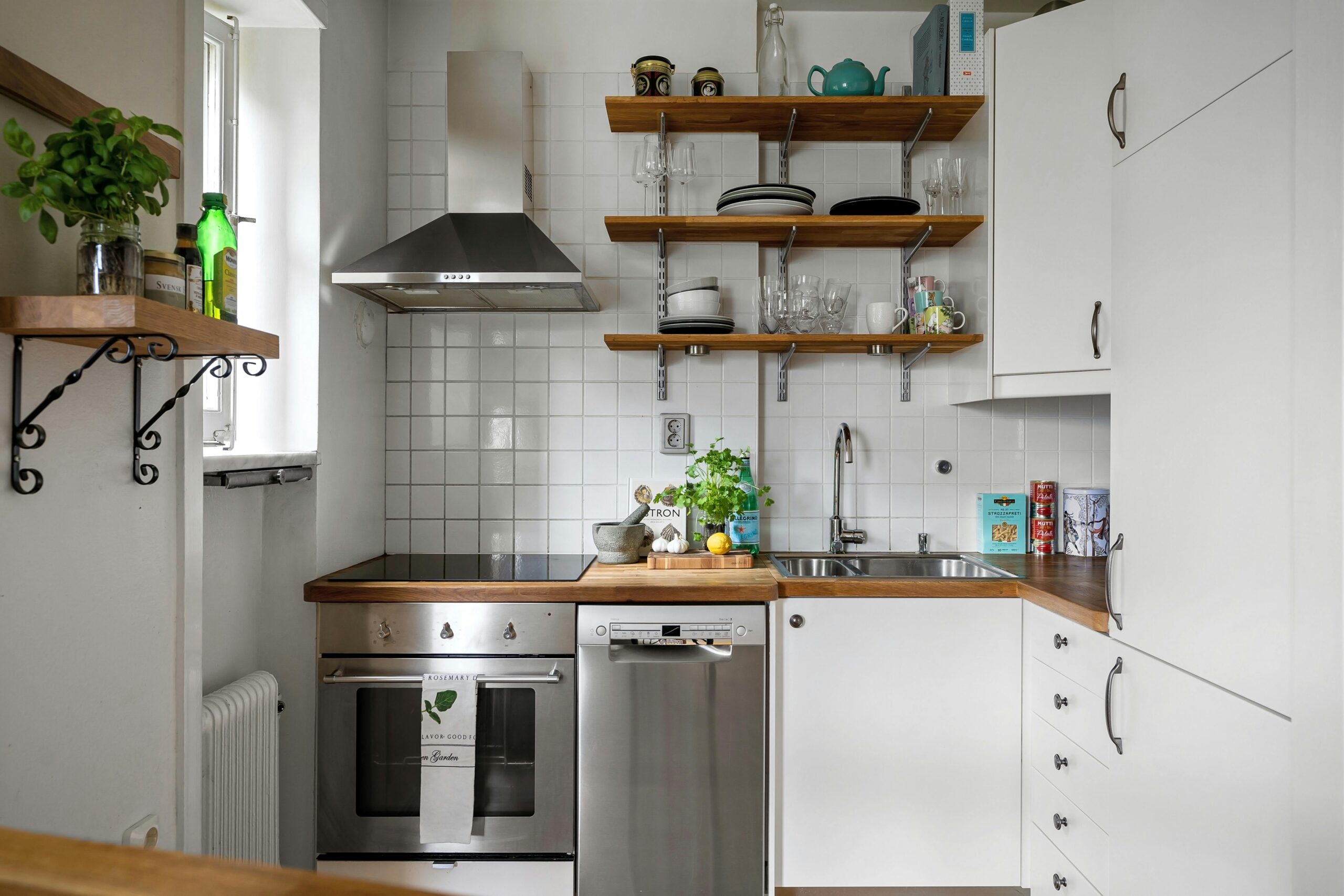
Ideal for square or corner spaces. This layout allows separation between prep areas and storage zones, creating a more comfortable flow.
3. Compact Workstation Wall
If the pantry is extremely tight, a single wall can still hold cabinetry, a sink, a mini fridge, and small appliances.
Design considerations:
- Maintain clearance: Aim for at least 36 inches of walkway space.
- Plan utilities early: Plumbing and electrical upgrades are much easier to install before cabinetry goes in.
- Prioritize counter space: Even 12–15 inches of workspace can function effectively in a mini kitchen.
- Hide clutter: Cabinet doors, appliance garages, and tilt-out vertical storage keep small spaces feeling clean and intentional.
With thoughtful planning, even an awkward floor plan can become a hardworking kitchen extension.
Storage Solutions That Make Your Mini Kitchen Shine
Storage is often the biggest priority in a butler pantry kitchen remodel. Because the space is small, every inch counts.
Top organization ideas:
- Floor-to-ceiling cabinetry to maximize vertical space
- Pull-out drawers instead of deep cabinets for easier access
- Open shelving for frequently used items or displayware
- Appliance garages to hide mixers, blenders, and espresso machines
- Built-in wine racks or narrow spice pull-outs
- Slim rolling carts tucked between cabinets
If your pantry connects to an open-concept kitchen, consider matching cabinet styles for a cohesive look—or contrast the finishes to make the mini kitchen a design focal point.
For small or awkward spaces:
- Shelves above doorways
- Corner shelving systems
- Narrow pull-outs only 4–6 inches wide
- Pegboard walls for flexible storage
Smart organization ensures that even a tiny butler pantry can outperform a standard kitchen cabinet run.
Mini Kitchen Appliances That Make a Big Impact
Today’s appliance market offers endless compact options perfect for micro-kitchens.
Popular choices include:
- Undercounter refrigerators for drinks, snacks, or produce
- Drawer dishwashers (single or double)
- Microwave drawers that save counter space
- Beverage centers for coffee, wine, or cocktail stations
- Portable induction cooktops for occasional use
- In-cabinet venting systems for small cooking zones
Venting & electrical considerations:
- If using cooking appliances, you may need upgraded circuits.
- Ventless hoods can work in small areas, but air quality still matters.
- Ensure outlets are spaced for countertop use and appliance garages.
Choosing the right appliances makes your mini kitchen feel functional rather than decorative.
Design Inspiration: From Classic to Contemporary
A converted butler pantry offers a chance to experiment with style. While the main kitchen must often stay neutral for resale, the mini kitchen can showcase more personality.
Popular stylistic approaches:
- Classic elegance: Marble counters, brass hardware, inset cabinetry
- Modern minimalism: Slab cabinets, open shelving, matte finishes
- Cottage charm: Beadboard, warm woods, patterned tile floors
- High-contrast drama: Dark cabinets with light counters or vice versa
- Statement lighting: Pendant lights, LED strips, or under-cabinet glow
Lighting is especially important in small spaces. Layer ambient, task, and accent lighting to avoid shadows and create warmth.
Conclusion: Small Space, Big Functionality
Transforming a butler pantry into a mini kitchen is one of the most impactful ways to expand functionality and improve the flow of your home. With smart layout planning, efficient storage, compact appliances, and thoughtful design choices, even the smallest space can become a hardworking extension of your main kitchen.
These micro-kitchens elevate your daily routine, enhance entertaining, and add meaningful value to your home—all while making use of a space that may have been underutilized for years.
If you’re ready to design your own mini kitchen or reimagine your butler pantry, Honey-Doers Remodeling is here to bring your ideas to life with expert design, material selection, and craftsmanship.