
Introduction
As winter begins to loosen its grip in Minnesota, many homeowners start thinking about spring projects—cleaning up the yard, tackling maintenance, or planning upgrades.
But before jumping into improvements, it’s often worth taking a step back and asking a simpler question: How did the house hold up over the winter?
Freeze-thaw cycles, snow accumulation, and cold temperatures can quietly stress parts of a home that are easy to overlook. Small issues—like a loose piece of flashing or minor siding damage—can sometimes turn into much larger repairs if they aren’t caught early.
Each spring, our team walks through homes with homeowners who are surprised by what winter revealed. The good news is that most problems can be addressed quickly if they’re identified early.
Here are a few exterior areas we recommend homeowners check as winter ends.
Roof and Flashing
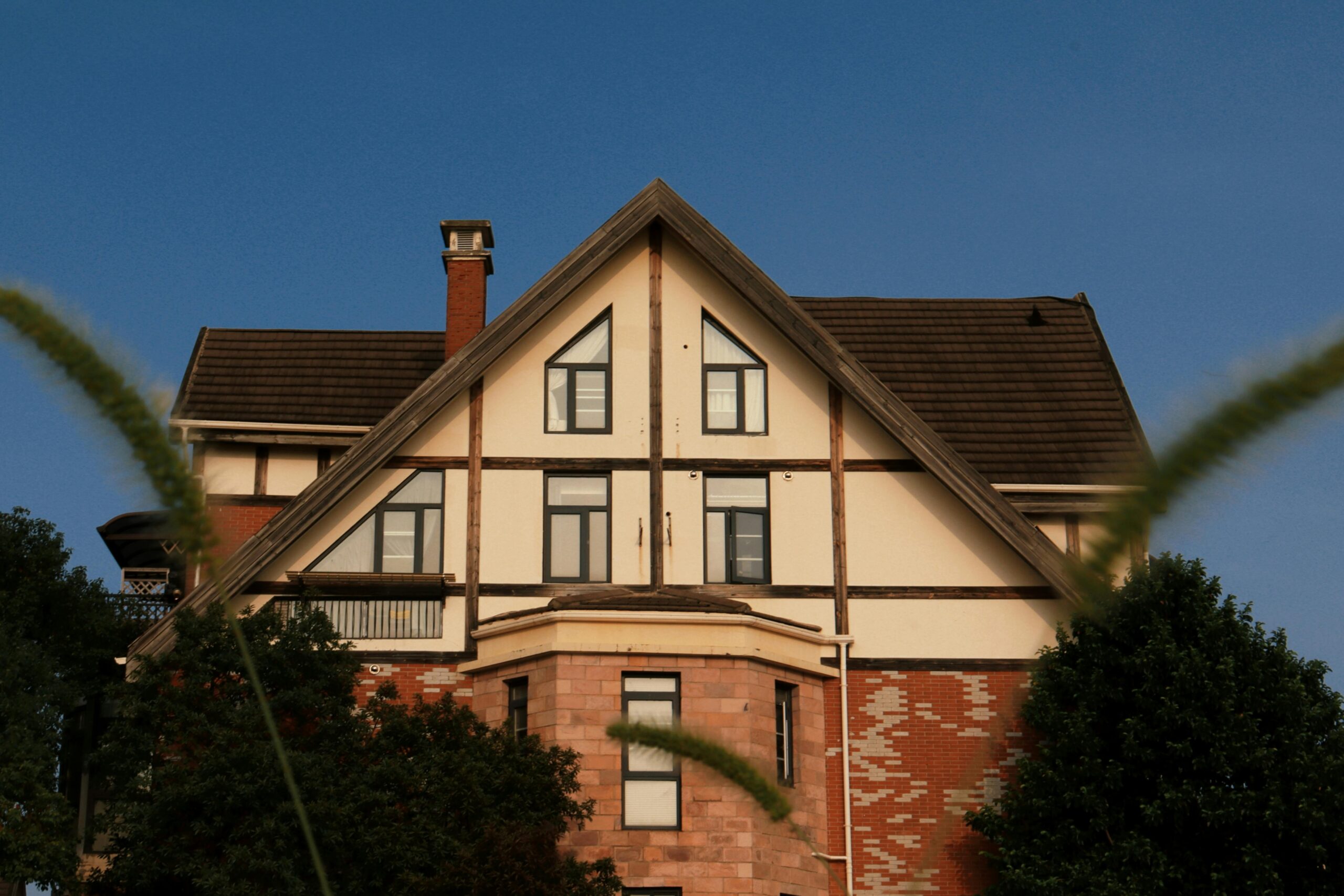
Your roof does the hardest work during winter.
Snow loads, ice dams, and repeated freeze-thaw cycles can loosen shingles or stress flashing around chimneys, vents, and valleys.
Homeowners should look for:
- Missing or lifted shingles
- Pieces of flashing that appear loose or bent
- Debris accumulation in valleys
- Ice dam marks along roof edges
Most homeowners can spot potential concerns from the ground with a quick visual check. If something doesn’t look right, a professional inspection can confirm whether repairs are necessary.
Catching small issues early can prevent leaks that might otherwise appear months later.
Gutters and Drainage
Gutters quietly protect a home’s structure by moving water away from the roofline and foundation.
During winter, gutters can shift under the weight of snow or ice. In spring, this can lead to drainage problems.
Signs to look for include:
- Gutters pulling away from the house
- Sagging sections or loose fasteners
- Downspouts that appear disconnected
- Overflow marks along the fascia
Even minor adjustments can restore proper drainage and help prevent moisture from reaching areas where it shouldn’t.
Siding and Exterior Trim
Winter weather can also reveal vulnerabilities in siding and trim.
Temperature swings and wind can loosen boards or create small gaps that allow moisture to work its way into the structure.
During a spring walkthrough, homeowners should check for:
- Cracked or warped siding pieces
- Areas where caulking has separated
- Trim that appears loose
- Paint that has started to peel or bubble
These small details often signal places where moisture could eventually cause deeper problems if left unattended.
Windows and Doors
Windows and doors experience constant expansion and contraction throughout the winter.
By early spring, homeowners may notice:
- Drafts that weren’t noticeable before
- Gaps in exterior caulking
- Trim separation around frames
- Minor water staining
Refreshing caulking or sealing around these areas can improve comfort and energy efficiency while protecting the surrounding structure.
Decks and Outdoor Structures
Decks, railings, and exterior stairs often take a beating during winter months.
Snow, ice, and salt can accelerate wear on exposed wood and fasteners.
A spring inspection should include checking:
- Loose railings
- Soft or splintering boards
- Rusted fasteners or brackets
- Areas where water may be pooling
Addressing these issues early helps maintain safety and extends the life of outdoor structures.
Why Early Spring Inspections Matter
Many exterior issues begin small. The challenge is that they’re often hidden until damage spreads.
A simple exterior check each spring helps homeowners:
- Identify problems before they grow
- Plan maintenance proactively
- Avoid emergency repairs later in the year
Most inspections take less than an hour but can save significant time, stress, and expense down the road.
Final Thoughts
Homes naturally shift and settle through winter. A thoughtful spring inspection helps ensure everything is still performing as it should.
If you notice something that doesn’t look quite right, it’s always easier to evaluate it early rather than wait for the problem to grow.
At Honey-Doers Remodeling, we’re always happy to help homeowners assess potential concerns and talk through the best next steps.