
What Is Hygge and Why It Matters in Minnesota

The Danish concept of hygge (pronounced “hoo-gah”) is about more than décor—it’s a feeling of comfort, warmth, and togetherness. It’s about cultivating an atmosphere that makes you slow down and feel at peace, especially when the world outside is cold and gray. For Minnesotans, hygge isn’t just appealing—it’s instinctive. With our long winters and Scandinavian heritage, embracing this cozy way of life feels like coming home.
Creating hygge-inspired interiors goes beyond aesthetic—it’s linked to well-being. Research from Piedmont Health shows that cultivating cozy, connected environments lowers stress, improves mood, and enhances sleep quality. A hygge home is one that supports both emotional and physical wellness, turning the colder months into something to savor.
The Health Benefits of Cozy, Hygge-Inspired Living
When your home feels welcoming, your body and mind respond. Studies have shown that environments designed for comfort and warmth help reduce anxiety and promote feelings of safety. Hygge invites you to pause: to curl up with a blanket and tea, to share a meal with friends, to feel grounded in familiar spaces.
In design terms, this means creating balance. Warm lighting replaces harsh overhead bulbs. Soft textures calm overstimulated senses. Neutral colors open the mind and make rooms feel restful. The result isn’t just a beautiful space—it’s a more peaceful way of living through Minnesota’s long winters.
1. Warm Lighting and Layered Ambience
The foundation of cozy design begins with lighting. Replace bright, cool-white bulbs with warm light sources in the 2700K–3000K range to create a soft golden glow. Layer multiple light sources—table lamps, sconces, pendant lights, and candles—so each space feels adaptable and soothing at any time of day.
Dimmer switches allow for fine control, while electric fireplaces or LED candles add that flickering warmth without the maintenance of real flames. The goal: create pools of light that invite gathering, reading, and relaxation. In hygge design, light is emotion—it tells the body it’s time to rest and recharge.
2. Soft Textures and Natural Materials

Texture is the tactile soul of a cozy home. Think of the feeling of a wool throw draped over a linen sofa or a plush rug under bare feet on a winter morning. Natural materials like wood, stone, and cotton help connect interior spaces to the outdoors—a key part of Scandinavian-inspired design.
Layer textiles intentionally: linen curtains, velvet pillows, knitted blankets, sheepskin rugs. The variety of touchable surfaces adds depth and comfort, making even minimalist rooms feel inviting. In Minnesota’s dry winter air, these natural fibers also help balance humidity and temperature, enhancing the overall feel of the space.
3. Neutral and Earthy Color Palettes
Hygge spaces rely on soft, natural colors that calm the eye and expand the sense of space. Whites, beiges, and muted grays reflect natural light beautifully, while warm taupes and soft greens add subtle depth. Accent with terracotta, caramel, or honey-toned wood for warmth.
This approach is especially powerful in smaller homes or basements, where light is limited. A cohesive, light palette can make spaces feel larger, brighter, and calmer—all qualities at the heart of cozy interior design.
4. Create Cozy Zones in Every Room
You don’t need an entire home remodel to feel hygge. Instead, think of your home as a collection of “cozy zones.” A window seat with pillows and a throw becomes a morning reading nook. A chair in the corner of your bedroom becomes a private retreat. In open-concept homes, you can define these areas with rugs, soft lighting, or furniture groupings.
If you’re finishing a basement, consider adding a lounge area near a fireplace or a soft-lit TV den. The key is intentionality—designing for quiet, mindful moments that help you recharge and connect.
5. Bring Nature Indoors
Nature is an essential ingredient in hygge design. Adding houseplants, fresh pine boughs, or dried flowers helps soften interior lines and brings the outside in. Natural light plays a big role too—maximize windows, use sheer drapery, and keep sills uncluttered to capture the sun’s energy during short winter days.
Even small touches matter: a wooden bowl filled with pinecones, a vase of eucalyptus, or woven baskets for storage. Biophilic design, the science of connecting humans with nature through space, supports mental well-being—a perfect complement to the hygge lifestyle.
6. Fireplaces and Gathering Spaces
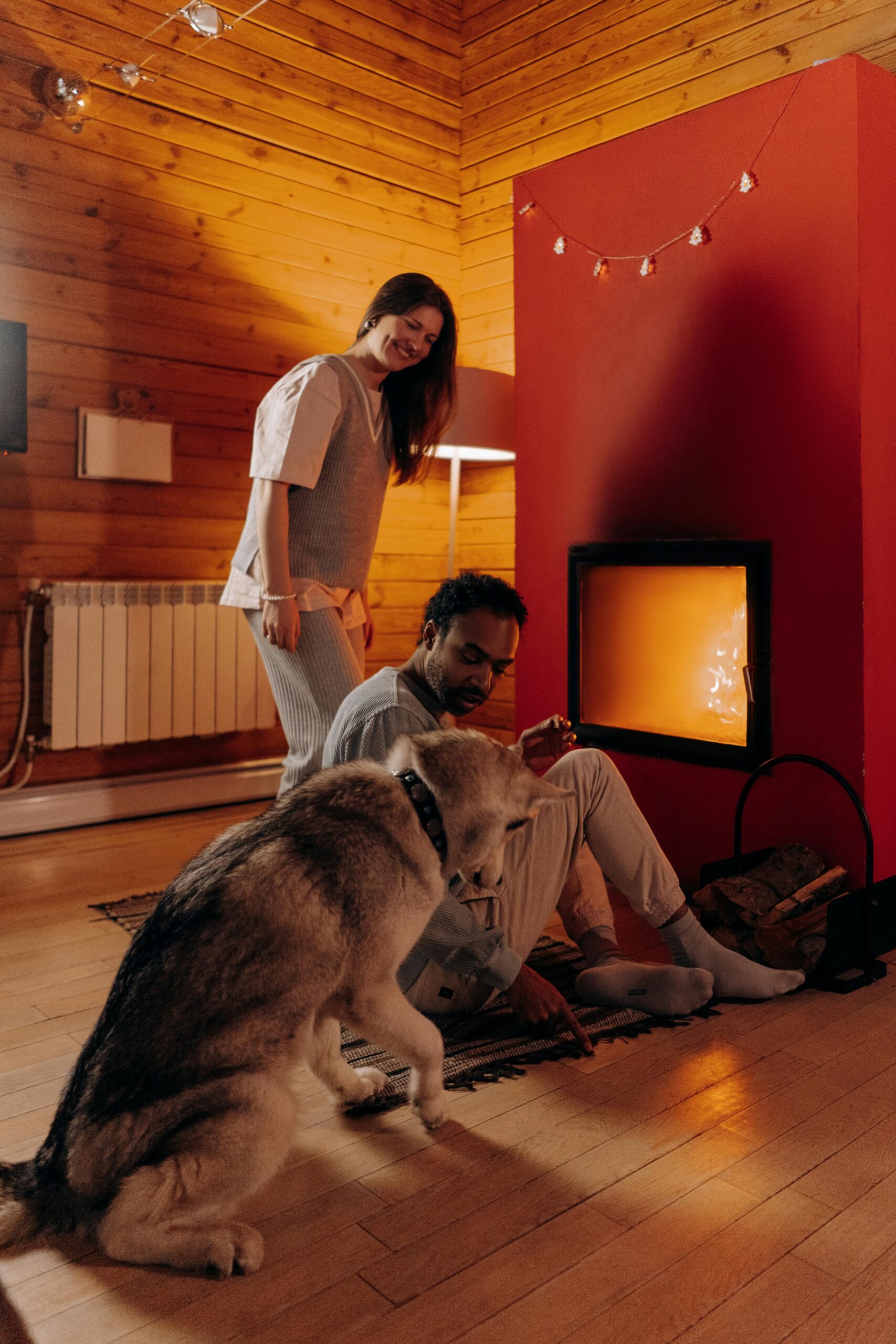
Nothing says cozy like a fireplace. Whether it’s a classic wood-burning hearth, a gas insert, or a modern electric model, the fireplace becomes the heart of hygge living. In Minnesota, it’s also practical—adding heat efficiency and reducing the strain on your HVAC system during freezing months.
For homeowners finishing a basement or remodeling a living room, consider building a seating area around your fireplace. Use soft textures, neutral colors, and layered lighting to make it a destination for relaxation and connection. Fireplaces create an emotional center—a place for conversation and reflection.
7. Mindful, Simple Living Spaces
At its core, hygge is about simplicity. That means decluttering and prioritizing objects that have meaning. Instead of filling your shelves, curate them with items that tell your story—family photos, handmade ceramics, or a stack of well-loved books. Simple doesn’t mean empty; it means intentional.
Practical design helps sustain this peace. Built-in shelving, hidden storage, and minimal décor keep things organized and visually calm. The mental relief that comes from a clutter-free environment cannot be overstated—it’s design for the soul.
Conclusion: Hygge Beyond Design
Hygge isn’t just about warm light or soft blankets—it’s about how your home makes you feel. It’s a way of life centered on connection, comfort, and gratitude. Even small changes—like replacing a bulb or adding a cozy throw—can have a powerful impact on your mood and energy during long Minnesota winters.
At Honey-Doers Remodeling, we believe that thoughtful design supports not only your home but your well-being. Whether you’re reimagining a basement, redesigning your living room, or simply seeking more comfort in everyday spaces, our team can help you bring warmth, texture, and hygge into every corner of your home.